Geocaching Logbook: A Strategic Tool for Tracking Adventures and Achieving Goals
The Geocaching Logbook is more than just a notebook for recording your geocaching finds. It’s a strategic tool that can help you track progress, plan future adventures, and maintain a clear record of your experiences. Whether you're a seasoned geocacher or just starting out, having a well-organized logbook can make a significant difference in how you approach your treasure hunts and personal development.
What Is a Geocaching Logbook?
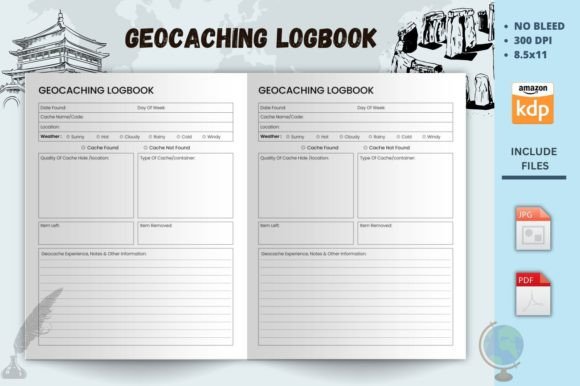
A Geocaching Logbook is a structured journal designed to capture details about each geocaching adventure. It typically includes space for dates, locations, descriptions of the cache, and personal reflections. The logbook serves as a digital and physical record of your journeys, helping you keep track of what you’ve found and where you’ve been.
With the right design, a Geocaching Logbook can be both functional and aesthetically pleasing. The files included—such as high-resolution JPG and PDF formats—ensure that the logbook is print-ready and suitable for use on platforms like Amazon KDP. This makes it easy to create a professional-looking product that can be shared with others or used as a personal reference.
Why Use a Geocaching Logbook Strategically?
Using a Geocaching Logbook strategically means more than just filling in the blanks. It involves thinking about how you want to track your progress, what information is most valuable to you, and how this data can support your broader goals. For example, if you’re planning to launch a geocaching-related business or content platform, a well-maintained logbook can serve as a rich source of material and insights.
Strategic use of the logbook also helps in identifying patterns. Over time, you may notice which types of caches yield the most rewarding experiences or which areas are most frequently visited. This data can inform future decisions, such as choosing new locations or adjusting your approach to caching.
How to Approach Using a Geocaching Logbook
Before diving into using a Geocaching Logbook, it’s important to consider your goals. Are you looking to improve your productivity, enhance your creativity, or build a stronger brand around geocaching? The way you use the logbook should align with these objectives.
One practical approach is to start by setting clear intentions. For instance, if you’re aiming to increase your daily geocaching activity, you might use the logbook to track your progress over time. If you’re focused on learning from each experience, you could include reflective notes on what you learned and how you can apply it in the future.
Another key consideration is consistency. Regularly updating your logbook ensures that you have an accurate and up-to-date record of your adventures. This can be especially helpful when planning future trips or sharing stories with others.
Practical Examples of Using a Geocaching Logbook
Imagine you’re preparing for a weekend geocaching trip. By reviewing your logbook, you can identify which areas have yielded the best results and plan your route accordingly. You might also note any challenges you faced in the past, such as difficult terrain or weather conditions, and take steps to avoid them this time around.
For those involved in content creation, a Geocaching Logbook can serve as a valuable resource. You could use it to document your experiences, gather ideas for blog posts, or even create a visual story of your adventures. This not only enhances your content but also provides a deeper connection with your audience.
If you’re part of a geocaching community, the logbook can be a tool for collaboration. Sharing entries with others can spark discussions, inspire new ideas, and foster a sense of camaraderie among fellow enthusiasts.
Strategic Observations and Decision-Making
When using a Geocaching Logbook, it’s important to look beyond the surface-level details. Ask yourself questions like: What trends do I see in my caching habits? How can I improve my efficiency? What aspects of my adventures bring me the most joy?
These observations can lead to better decision-making. For example, if you notice that you tend to get distracted during longer trips, you might decide to break your adventures into shorter, more focused sessions. Similarly, if certain types of caches consistently provide more satisfaction, you might prioritize those in the future.
By analyzing your logbook entries, you can also identify areas for growth. Perhaps you’ve noticed that you rarely visit new locations, which could limit your overall experience. In that case, you might set a goal to explore at least one new area each month.
Possible Risks of Using a Logbook Without Clear Goals
While a Geocaching Logbook can be incredibly useful, it’s important to avoid using it without a clear purpose. Randomly filling in entries without a specific goal in mind can lead to wasted time and missed opportunities. If you don’t have a strategy, the logbook may become a collection of disconnected notes rather than a meaningful tool.
Another risk is over-reliance on the logbook. While it’s a great resource, it shouldn’t replace other forms of planning or decision-making. Instead, it should complement your existing methods and provide additional insights.
Additionally, failing to update the logbook regularly can diminish its value. If you neglect to record your experiences, you may lose the ability to reflect on them later. Consistency is key to maximizing the benefits of the logbook.
Intentional Use of a Geocaching Logbook
To use a Geocaching Logbook intentionally, start by defining your purpose. Are you using it for personal reflection, business planning, or creative inspiration? Once you have a clear goal, you can tailor your entries to meet that objective.
Consider incorporating different elements into your logbook. For example, you might include maps, photos, or notes on the difficulty of each cache. These additions can make your logbook more engaging and informative.
Finally, take time to review your entries periodically. This will help you stay connected to your progress and ensure that the logbook remains a valuable tool over time.
Long-Term Value of a Geocaching Logbook
The long-term value of a Geocaching Logbook lies in its ability to evolve with you. As you continue to explore and grow, your logbook can serve as a living document that reflects your journey. It can also be a source of inspiration for future projects, whether personal or professional.
For entrepreneurs and creators, the logbook can be a powerful asset. It can help you track your progress, refine your strategies, and build a compelling narrative around your work. By maintaining a detailed record of your adventures, you can create content that resonates with your audience and builds trust over time.
Ultimately, the Geocaching Logbook is more than just a tool for tracking caches—it’s a strategic resource that can support your goals, enhance your experiences, and contribute to your long-term success.